Japan ski safety
Skiing in Japan? Plan your Japan eSIM before an emergency, not during one
· 5 min read
A Japan eSIM is useful for maps, messages and resort information when reception is available. Travel eSIMs are not rescue equipment, but planning your mobile data before a ski trip can make it easier to communicate if the day takes an unexpected turn. Here is what to prepare before you fly.
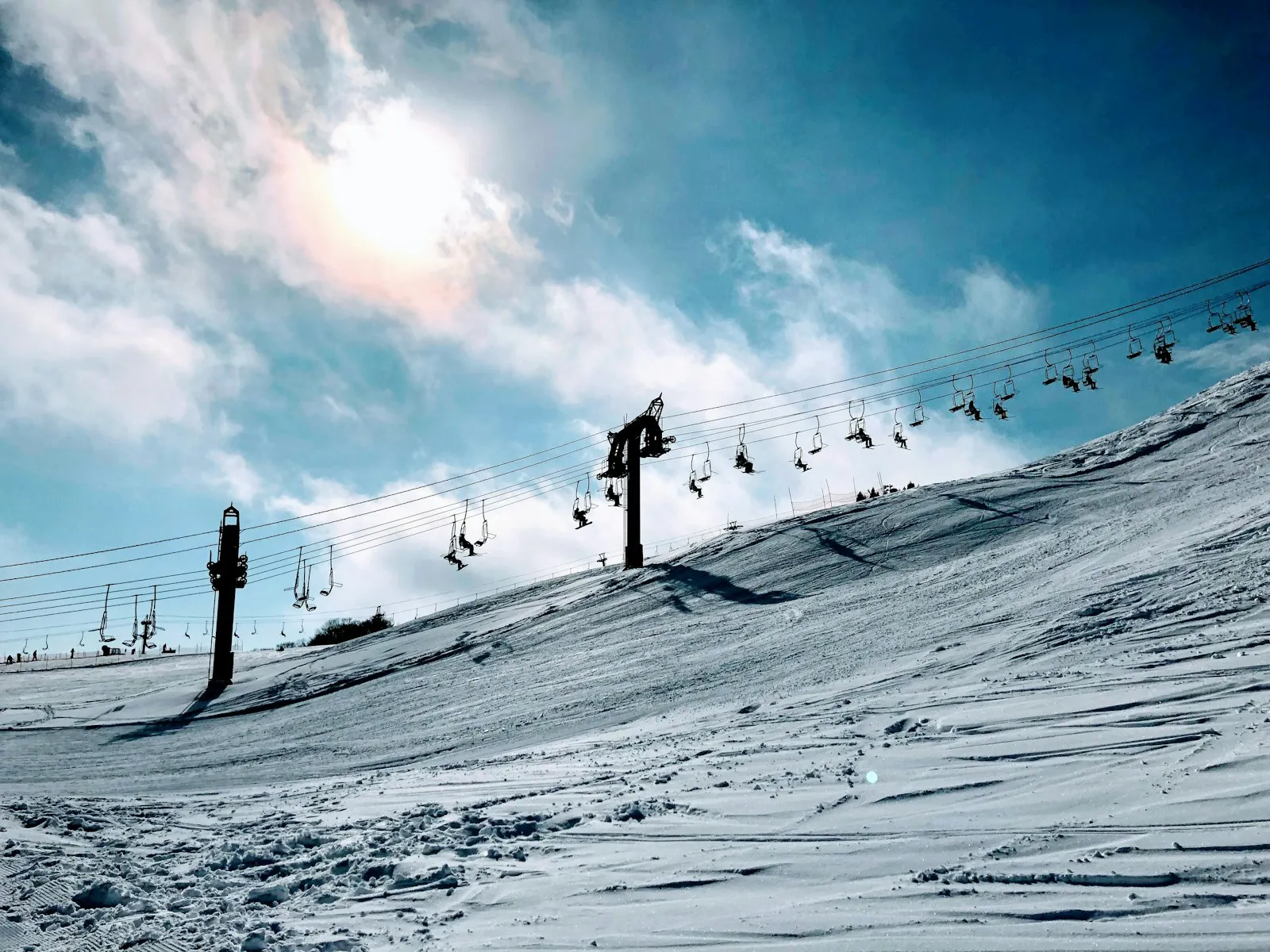
Emergency first: ski patrol, 119 and 110
An illustrative scenario: using Japan eSIM data after patrol is alerted
Illustrative scenario only, not a real customer story or rescue. Imagine two friends skiing on a marked run. One falls and cannot continue. The other first flags down the nearest staff and alerts ski patrol. Only once patrol is on the way do they open their messaging app.
Because the Japan eSIM was installed at home and the travel data line switched on at the airport, and because there happens to be reception at that spot, they can drop a map pin in the group chat so the rest of the party knows where to meet patrol at the base. Without reception, none of that works, which is why the patrol alert always comes first.
Setting up your Japan eSIM before the slopes
Check that your phone is eSIM-compatible and carrier unlocked. Support varies by model, purchase region and carrier, so confirm your exact device with its manufacturer. Our setup guide walks through the checks step by step.
Read the activation timing instructions for your plan before you install and before you travel. Some plans start counting when installed or when first connected, so it pays to know which applies. On arrival, turn on the correct travel data line and keep mobile data for your home SIM switched off to avoid roaming charges. Calls and SMS on your home SIM may still carry roaming costs, so check with your provider.
Follow the eSIM setup guide for installation steps.

Mobile coverage on a mountain varies
Reception on Japanese mountains differs by resort, valley and terrain. Do not assume a base area, lift station or marked run has service. An eSIM carries data over local networks and cannot create a signal where none exists. Check available plan details and ask support about any resort not clearly covered before you buy.
Treat connectivity as a bonus. Prepare for none at all.
- Save the ski patrol number, piste map and your insurer's emergency details offline.
- Stay on open, marked runs and follow resort signs.
- Cold drains batteries fast: keep your phone in an inside pocket and carry a small power bank.
- Agree a meeting point with your group in case messages do not send.
Compare coverage details on the Japan eSIM plans page.
What a travel eSIM is not
An eSIM is not a substitute for travel insurance, a qualified guide or avalanche equipment. If you plan to ski off-piste, you need proper training and gear, and that is a different conversation altogether. Check cover for winter sports with your insurer before you go.
For official guidance, see the Japan National Tourism Organization's emergency information and the Australian Government's Smartraveller advice for Japan, both linked below.
Choosing a data plan for your Japan trip
Pick a plan that suits trip length and how much you share online. Current offers vary, so check the live offers page for what is available now. Compare destination coverage, validity and fair-use limits rather than assuming a sports-event promotion suits a ski holiday. A data plan is not travel insurance.
Ready for your Japan eSIM?
Explore current offers, then check destination coverage, trip length and fair-use limits. Prices and availability can change.